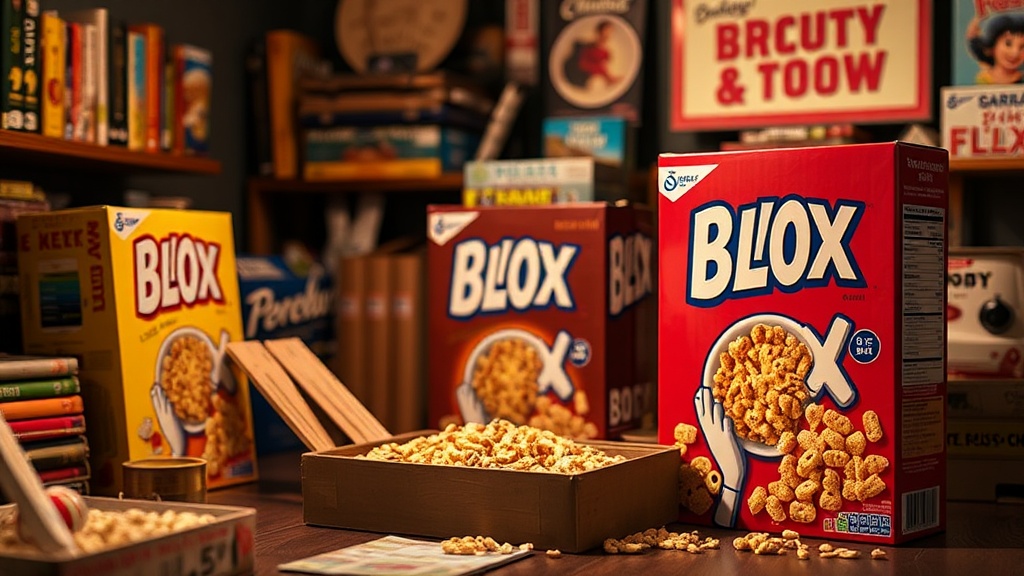
Beyond the Box: Key Factors Driving Cereal Box Collector Value

Ever wondered what truly makes a vintage cereal box valuable? Many collectors fixate on pristine condition, and while that's certainly a piece of the puzzle, it's far from the only factor. The real story behind a box's worth often involves a fascinating blend of history, pop culture, scarcity, and even the quirks of manufacturing. Let's peel back the layers and explore what makes certain cardboard treasures command top dollar, helping you better understand your collection's potential.
What Makes a Cereal Box Truly Rare?
Scarcity is the bedrock of collector value, but it's not always about sheer age. A box from the 1930s might be rare, but a limited-run promotional box from the 1990s could be even harder to find in good shape. Think about it: a box made in the millions versus one produced for a regional contest or a brief tie-in with a movie. Those shorter production runs mean fewer survived the breakfast table, let alone made it into a collection.
One of the biggest drivers of rarity comes from limited edition runs. Cereal companies, savvy marketers that they are, have long understood the power of exclusivity. They'd release special packaging for holidays, anniversaries, or promotional events that were only on shelves for a few weeks. The iconic General Mills Monster Cereals, for instance, often see spikes in value for their seasonal box art variations.
Then there are promotional tie-ins. A box featuring a beloved character from a newly released movie, a popular cartoon, or even a video game can become highly sought after, especially if the promotion was short-lived. Collectors of movie memorabilia, toy collectors, and cereal box enthusiasts often converge on these items, driving demand. If a box was part of a mail-in offer where consumers had to cut out a proof-of-purchase, that also contributes to scarcity because complete boxes are harder to find.
Regional exclusives also play a significant role. Imagine a cereal box only sold in a specific state or for a limited time in a particular supermarket chain. These often go unnoticed by national collectors until much later, making them elusive finds. I've heard stories of collectors traveling hundreds of miles just to hunt down these geographic unicorns – the dedication is real!
Finally, we have the captivating world of manufacturing errors. While most errors devalue an item in other collecting fields, certain, distinct cereal box errors can create unique, highly prized variants. Think misprints, significant color registration issues, or even boxes with unintended text. These aren't common, which is precisely why they can be so valuable to the right collector. They tell a unique story of the production process.
How Do Historical Events Influence a Box's Worth?
Cereal boxes aren't just food packaging; they're accidental time capsules. They reflect the culture, politics, and technology of their era. This often imbues certain boxes with a 'cool' factor that transcends their cardboard origins, turning them into historical artifacts.
The concept of pop culture significance is huge here. A box commemorating a major sporting event, a space race milestone, or featuring characters from a wildly popular TV show of its day carries an intrinsic connection to a specific moment in time. Consider the Wheaties boxes featuring Olympic athletes – these don't just appeal to cereal collectors, but also to sports memorabilia enthusiasts, broadening their market appeal.
Beyond individual pop culture moments, broader historical milestones can also elevate a box's status. Boxes produced during wartime, for example, might feature rationing messages or patriotic imagery. These aren't just pretty pictures; they're tangible links to significant periods that shaped generations. Collectors are often drawn to items that offer a glimpse into the past, sparking nostalgia and historical curiosity. It’s why you'll see premium prices for boxes that reflect major technological shifts or societal changes.
Even advertising innovations can make a box historically interesting. Some of the earliest boxes, with their simple designs and focus on product benefits, represent a nascent stage of consumer marketing. As advertising evolved, so too did cereal box art and messaging, transforming them into a fascinating study of commercial art and persuasion over decades.
Are Prizes Still a Factor in Collector Appeal?
Oh, absolutely! For many, the prize inside was just as, if not more, exciting than the cereal itself. The history of cereal box prizes is a rich one, from simple paper cut-outs to elaborate plastic toys. You can learn more about this fascinating evolution at