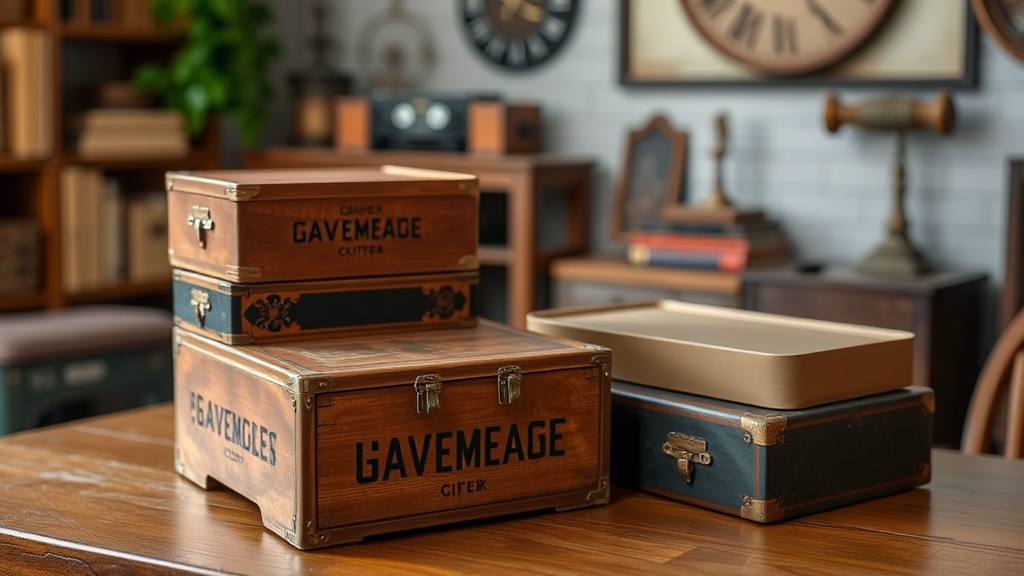
Creating Custom Display Stands for Vintage Boxes

Nearly 90% of vintage cardboard packaging degrades significantly faster when exposed to improper structural weight or direct contact with acidic surfaces. This post covers the technical methods for building custom display stands specifically designed for vintage cereal boxes, focusing on material compatibility and structural integrity. You'll find specific instructions for acrylic, wood, and foam-based construction to ensure your collection remains upright and undamaged.
What Materials Are Safest for Vintage Cardboard?
The safest materials for displaying vintage cereal boxes are chemically inert substances like acrylic (Plexiglass) or acid-free foam board. Using materials that contain high amounts of lignin or acidic wood pulp can cause yellowing and structural softening in your boxes over time. If you're working with high-end pieces, you want to avoid anything that off-gasses. (I've seen too many collectors ruin a perfectly good 1950s Kellogg's box by placing it on a cheap, acidic cardboard riser.)
Acrylic is the gold standard here. It's clear, sturdy, and doesn't react with the paper fibers. If you can't get acrylic, high-density polyethylene (HDPE) is a decent alternative. Avoid using standard wood finishes that haven't been fully cured, as the fumes can interact with the ink on the box. If you're worried about the long-term stability of your display environment, check out the guidelines on protecting paper ephemera from environmental damage.
Here is a quick breakdown of common materials and their impact on your collection:
| Material | Stability Level | Best Use Case |
|---|---|---|
| Acrylic (Plexiglass) | High | Premium display stands and tiered shelving. |
| Acid-Free Foam Board | Medium | Internal structural support or small risers. |
| Polystyrene (Plastic) | Medium | Budget-friendly, lightweight dividers. |
| Unfinished Wood | Low | Avoid direct contact; use a barrier. |
How Do I Build a Tiered Display Stand?
A tiered display stand is built by creating a series of stepped platforms that allow the front row of boxes to remain visible while supporting the weight of the rows behind them. You can achieve this using a "staircase" design. The key is to ensure the base of each step is wide enough to prevent the box from tipping forward.
First, decide on your height. If you're displaying a standard 12oz cereal box, your steps should be roughly 2 inches apart. This prevents the boxes from looking cluttered. You'll need a sturdy base—I prefer a thick piece of- wait, actually, let's stick to the material. Use a heavy-duty acrylic sheet or a dense foam board.
- Measure your footprint: Lay out your boxes on a flat surface. Measure the total width and the depth of the deepest box.
- Cut your tiers: If using foam board, use a sharp utility knife to cut three rectangular strips. These will act as your "steps."
- Assemble the frame: Use double-sided archival tape to attach the strips to a backboard. This creates a staircase shape.
- Test the weight: Place your heaviest box on the bottom tier first. If the stand wobbles, your base is too narrow.
The goal is stability. A wobbly stand doesn't just look bad; it can cause the box to fall and crush its corners. If you're working with a collection that has varying heights—like a small box of Cocoa Puffs next to a large box of Wheaties—you'll need to adjust the height of each step accordingly.
How Much Does Custom Display Construction Cost?
Custom display construction costs vary depending on whether you use professional-grade acrylic or DIY-friendly foam board. A basic DIY setup using acid-free foam board and a utility knife might cost under $30, while a professional-grade custom acrylic tiered stand can easily exceed $150.
If you're just starting out, don't go overboard. You don't need a custom-milled wooden cabinet for every single box. Most collectors find that a combination of clear acrylic stands and simple, sturdy shelving works best. It's a matter of balancing aesthetics with budget.
For those who want to get serious about organization, you might eventually want to move toward a more permanent setup. Once your collection grows, you might want to look into building a digital catalog to keep track of the physical dimensions of your boxes. This helps when you're ordering custom-sized stands or shelving units later on.
The cost of materials is often the biggest variable. For example, a single sheet of 1/8-inch thick acrylic from a local supplier might cost $20, but a custom-cut piece for a specific display might cost $50 or more once you factor in shipping and precision cutting.
Selecting the Right Support Method
There are two main ways to support a box: the "Back-Support" method and the "Base-Support" method.
The Back-Support method involves a vertical surface that holds the box upright. This is common for very thin or lightweight boxes. The Base-Support method uses a small "lip" or a small pedestal to keep the box from sliding forward. Most vintage cereal boxes are top-heavy once they are empty, so a slight lip at the front of your stand is a smart move.
If you're displaying a box that has a particularly weak bottom, avoid the Base-Support method. Instead, use a clear acrylic "U-bracket." This holds the box from the sides and back, leaving the bottom free and reducing the risk of structural collapse.
One thing to watch out for is the weight of the box itself. Even an empty box can be surprisingly heavy if it's an older, thicker cardboard variety. If you're using a stand that is too lightweight, the box will eventually tip over. I've seen many collectors use small, clear plastic "museum putty" to secure the bottom of the box to the stand. It's a great way to keep things upright without causing permanent damage to the cardboard.
Make sure you're not using any adhesives that are too aggressive. You want something that can be removed without leaving a residue or pulling at the paper fibers. If you're ever unsure about a material's safety, you can check the Wikipedia entry on Lignin to understand why certain wood products are problematic for paper-based collectibles.
The end result should be a display that looks effortless. The stand should be almost invisible, acting as a silent servant to the artwork on the box. Whether you're displaying a vintage Kellogg's or a rare cereal box from a local brand, the stand's only job is to keep that box upright and safe.
Steps
- 1
Select Non-Reactive Materials
- 2
Measure the Box Base
- 3
Construct the Support Structure
- 4
Test Stability and Balance