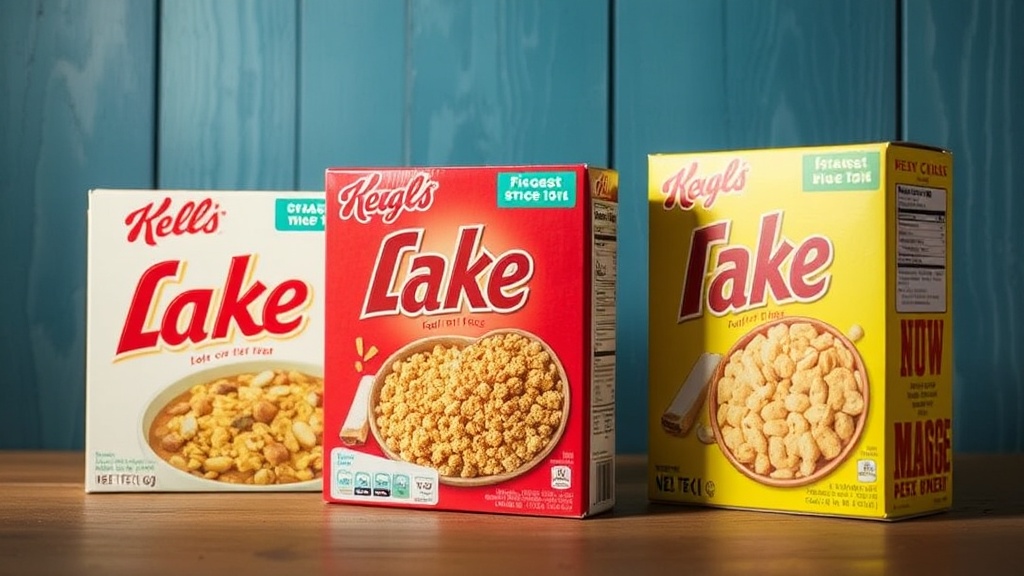
How to Spot Fake Vintage Cereal Boxes Before You Buy

In this guide, you'll learn the exact methods professional collectors use to distinguish authentic vintage cereal boxes from modern reproductions and outright fakes. Whether you're hunting at flea markets, browsing online auctions, or examining a potential trade, these techniques will help you avoid costly mistakes and build a collection you can trust. Spotting fakes isn't about being paranoid—it's about knowing what separates the real deal from clever imitations.
What Are the Most Common Signs of a Reproduction Cereal Box?
Reproductions have flooded the collectibles market over the past decade, and cereal boxes haven't escaped this trend. The good news? Most fakes reveal themselves through careful examination—if you know where to look.
Start with the paper stock. Authentic vintage cereal boxes from the 1950s through 1980s were printed on specific paperboard weights that feel distinct from modern materials. Hold the box up to light: genuine vintage boxes often show slight translucency at the edges, and the paper has a particular "snap" when flexed gently. Reproductions tend to use heavier, brighter white stock that feels almost too pristine. The color temperature matters too—modern printing often produces blacks that are too dense and colors that are too saturated compared to period-accurate printing processes.
Check the printing dots. Grab a loupe or even a strong magnifying glass and examine any photographic areas or color gradients. Vintage boxes were printed using halftone dots that create a distinctive rosette pattern under magnification. Modern digital printing produces smoother gradients without that mechanical dot pattern. This test alone eliminates about 60% of reproductions you'll encounter.
Look at the glue lines and construction. Original cereal boxes used specific adhesive patterns—usually three dots or a thin line along specific flaps. The glue itself has often yellowed or become brittle on genuine vintage pieces. Reproductions frequently use too much adhesive, or the wrong type entirely, leaving suspiciously clean white glue lines that haven't aged.
How Can You Verify Date Codes and Manufacturing Marks?
Every legitimate cereal box carries manufacturing intelligence that forgers often miss—or get wrong. These details separate authentic pieces from convincing copies.
Examine the bottom flaps and interior panels for production codes. Major manufacturers like General Mills, Kellogg's, and Post used specific dating systems that changed over decades. A box from 1972 should carry formatting consistent with that era's practices—not modern barcode systems or digital date stamps. The Trading Card Database maintains extensive resources on cereal box dating conventions that can help you cross-reference suspicious pieces.
Pay attention to nutrition labels—or their absence. The FDA didn't require nutrition information on cereal boxes until the early 1990s. If someone offers you a "vintage" 1960s box complete with detailed nutritional breakdowns and calorie counts, you're looking at a reproduction. This single detail trips up countless forgers who assume all food packaging looks the same.
UPC codes tell stories too. Universal Product Codes first appeared in the mid-1970s but didn't become standard on cereal boxes until the late 1970s and early 1980s. A box claiming to be from 1968 with a UPC barcode is automatically suspect. Similarly, early UPC formats differed from modern versions in their guard bar patterns and number spacing.
"The box doesn't lie," says veteran collector Marcus Chen. "Manufacturing details are where amateurs always slip up. They focus on making the front panel look perfect and forget that authenticity lives in the boring parts—the flaps, the glue, the codes nobody looks at."
Why Do Font and Typography Details Matter?
Typefaces carry historical fingerprints that are nearly impossible to fake perfectly. Typography nerds and experienced collectors can often spot reproductions from across a room just by recognizing anachronistic fonts.
Compare the logo typography against documented examples. Cereal brands refreshed their logos regularly, and each iteration had specific characteristics. The 1978 Kellogg's logo differs measurably from the 1985 version—in stroke weight, letter spacing, and the angle of specific characters. Forgers often grab whatever logo image is easiest to find online, which frequently means using a modern version on supposedly vintage packaging.
Look for period-appropriate promotional language and offer details. A 1950s box promoting a "mail-in rebate" uses anachronistic terminology—that concept didn't exist in consumer marketing then. Similarly, toll-free 800 numbers didn't become common until the late 1960s, and internet URLs obviously don't belong on anything claiming to be pre-1995. These contextual errors reveal more fakes than paper analysis does.
The back panel game pieces and offers deserve scrutiny too. Authentic vintage boxes advertised specific prizes, contests, and premiums tied to exact dates. Research whether that Tony the Tiger flexible ring offer actually ran in 1974, or if the Olympics promotion on a "1972" box matches documented marketing campaigns. The Smithsonian Magazine archives contain extensive documentation of promotional cereal history that's invaluable for verification.
Where Should You Buy to Minimize Risk?
Your sourcing strategy matters as much as your authentication skills. Some channels consistently produce better results than others.
Established dealer networks with return policies offer protection that random eBay sellers don't. Reputable dealers stake their reputation on authenticity and typically provide detailed provenance—the box's ownership history and how it entered the market. Ask questions. Any seller worth buying from can explain where a piece came from and should welcome scrutiny.
Estate sales and original-owner sales carry lower risk than mystery lots. When you can trace a box directly to someone's attic—where it sat untouched for forty years—you've eliminated the most common fraud vector. Look for boxes with household inventory marks, storage location notations, or other incidental evidence of genuine long-term storage.
Online marketplaces require extra vigilance. Reverse image search any photos before bidding. Scammers often steal photos from legitimate listings, so if the same box image appears across multiple auctions with different sellers, someone isn't being honest. Request additional photos of specific details—interior flaps, bottom codes, glue lines. Legitimate sellers accommodate these requests; defensive or evasive responses are red flags.
Price awareness protects you too. That "rare" 1963 Cap'n Crunch box listed at $45 when comparable sales show $400+ values isn't a bargain—it's bait. Unrealistically low prices signal reproductions, damaged goods being misrepresented, or outright scams. The eBay sold listings provide transparent market data that should inform your skepticism.
Red Flags That Should Stop You Cold
Certain situations warrant immediate walkaway status regardless of how good the piece looks. Never buy vintage cereal boxes sold "still sealed with original cereal inside"—these are almost always reproductions created by resealing modern boxes. Original cereal from the 1970s would be hazardous waste today, not a selling point.
Be suspicious of perfect condition claims on supposedly fifty-year-old boxes. Even carefully stored cardboard shows subtle aging—slight yellowing at edges, minor softening of corners, perhaps faint water stains from attic humidity. A box that looks factory-fresh after decades likely isn't decades old.
Documentation cuts both ways. Sellers offering "certificates of authenticity" for common cereal boxes are deploying theater, not evidence. No legitimate authentication body exists for this niche, and anyone claiming otherwise is manipulating your trust.
Trust your instincts when deals feel rushed. "Someone else is coming to look at this in an hour" pressure tactics exist to prevent you from doing due diligence. Authentic pieces have stood the test of time—another day of consideration won't hurt them.