How to Start a Valuable Cereal Box Collection Without Wasting Money

Most people start collecting cereal boxes the same way: nostalgia hits, you spot a familiar design, and suddenly you’re holding onto cardboard like it’s a museum piece. The problem is, without a plan, you end up with a pile of flattened boxes that have no real value, no cohesion, and no long-term upside.
I’ve seen it over and over. The collectors who build collections worth talking about aren’t the ones grabbing everything—they’re the ones making deliberate choices early. This guide walks through exactly how to do that.
Start With a Clear Focus (Or You’ll Burn Out Fast)
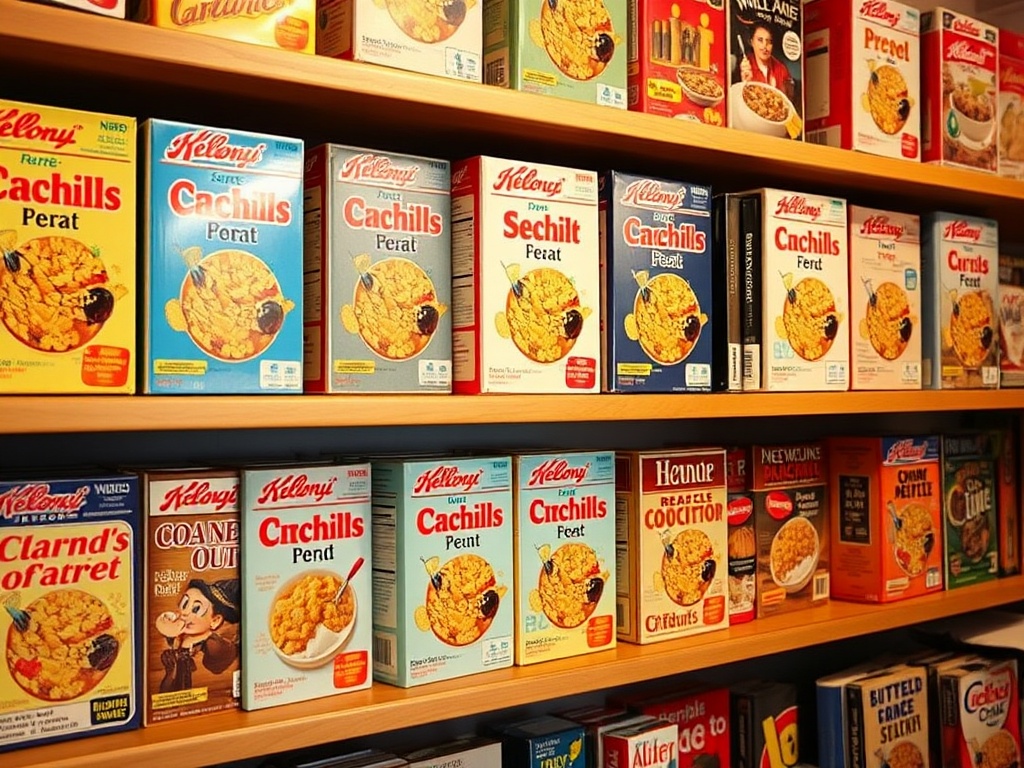
The fastest way to waste money in this hobby is to collect randomly. Cereal boxes are everywhere, and without boundaries, your collection becomes clutter.
Pick a lane. That could be:
- Specific decades (1970s, 80s, 90s)
- One brand (Kellogg’s, General Mills)
- Character-driven boxes (mascots, licensed IP)
- Regional or international packaging
The tighter your focus, the easier it is to spot value. A random box might be worth a few dollars. A rare variation within a niche? That’s where collectors pay attention.
Condition Is Everything—Even for Cardboard
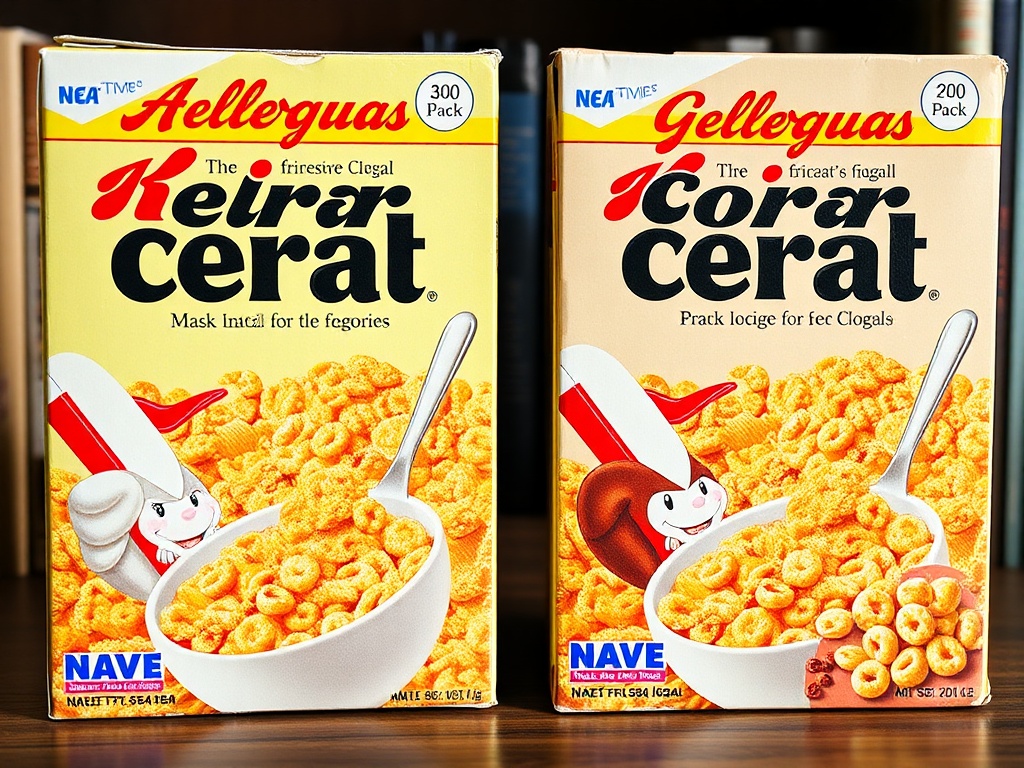
This isn’t baseball cards, but the same rule applies: condition drives value. A flattened box with creases, tears, or food stains isn’t collectible—it’s reference material at best.
What serious collectors look for:
- Clean edges and intact structure
- Bright, unfaded print
- No moisture damage
- Original folds (not over-handled)
If you’re buying, don’t compromise early. It’s better to own one clean example than ten damaged ones. That discipline compounds over time.
Know What Actually Drives Value
Not every old cereal box is valuable. Age helps, but it’s not the main factor. What matters more:
- Rarity: Limited runs, short-lived designs, regional releases
- Cultural relevance: Tie-ins with movies, TV, or major events
- Design uniqueness: Bold typography, experimental layouts
- Survivability: Boxes that were rarely kept intact
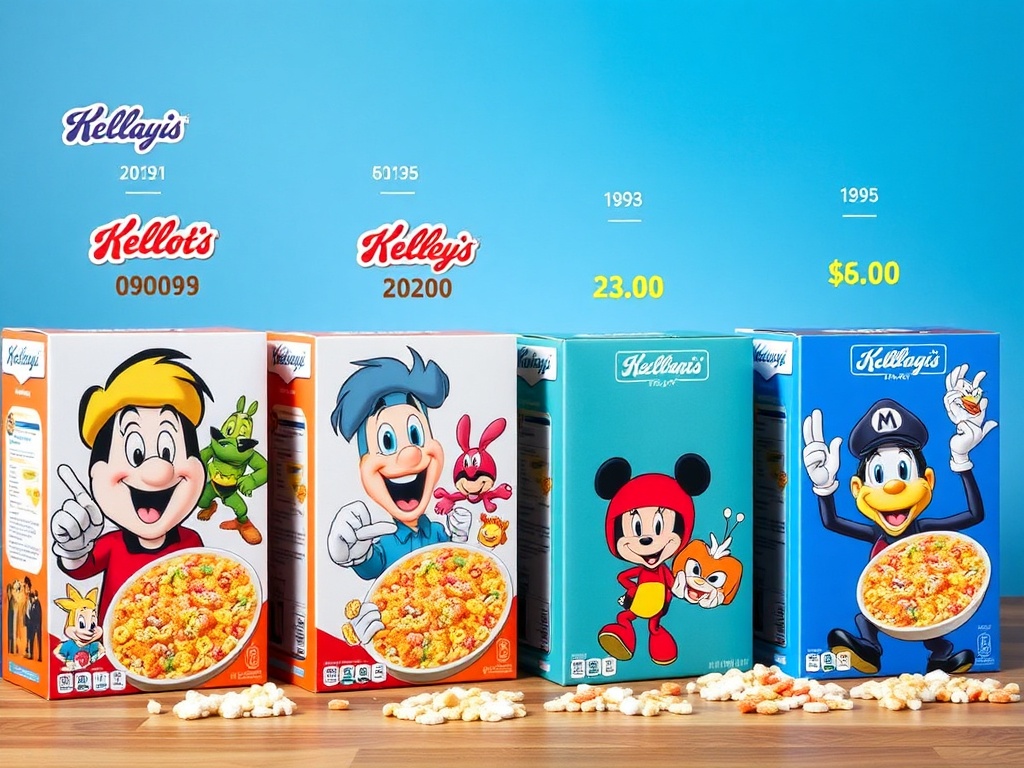
A 1990s box tied to a major franchise in pristine condition can outperform a generic 1960s box that nobody cares about. Collectors pay for story and scarcity.
Where to Find the Good Stuff (Without Overpaying)
You don’t need deep pockets—you need better sourcing.
Start with:
- Estate sales (often overlooked paper goods)
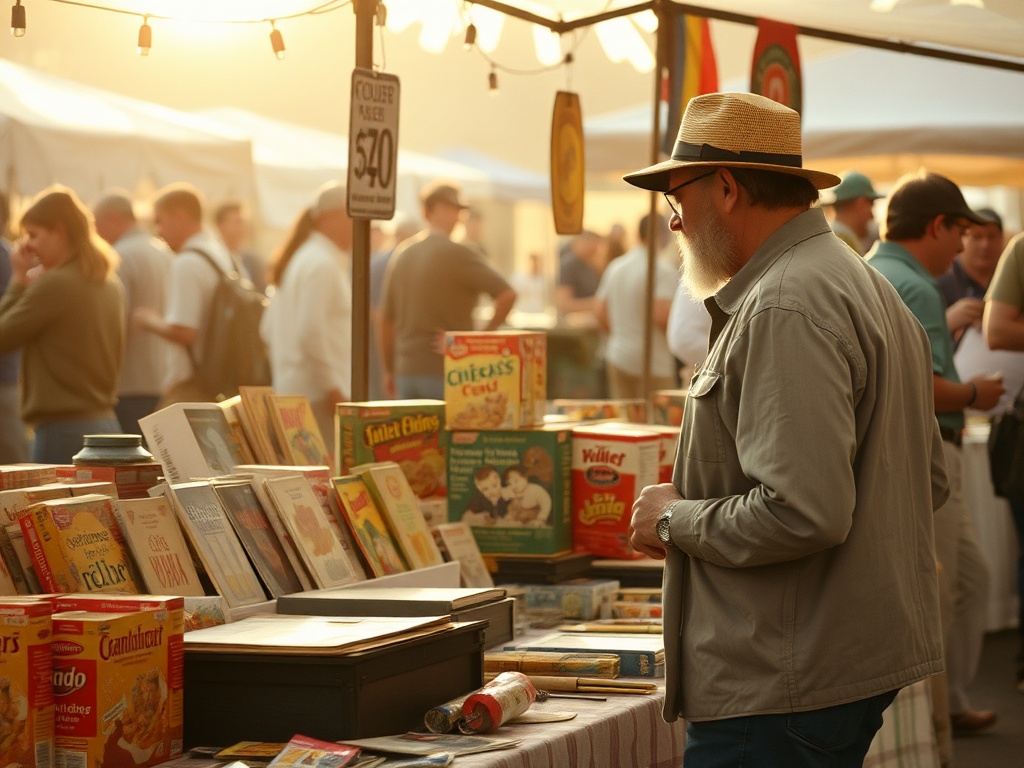
- Flea markets and antique fairs
- Online marketplaces with poor listings (misspelled titles, bad photos)
- Collector forums and niche groups
The trick is recognizing undervalued items. A seller listing “old cereal box” with no details is where opportunities live.
But don’t chase hype. If something is already being marketed as “rare collectible,” you’re probably paying retail—or worse.
Storage and Display: Protect the Investment
If you’re serious about building value, storage isn’t optional—it’s part of the strategy.
- Use acid-free sleeves or archival boxes
- Keep away from sunlight (UV destroys color)
- Control humidity to prevent warping
- Avoid stacking heavy items on top
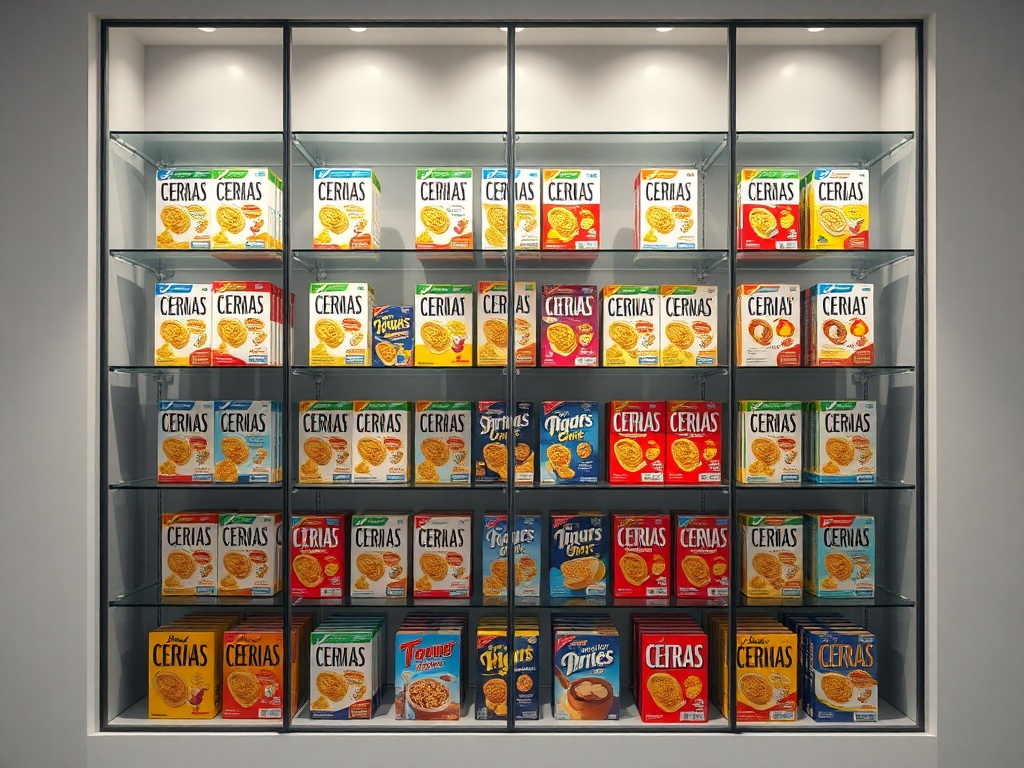
Display matters too. A well-presented collection isn’t just satisfying—it signals seriousness if you ever sell or trade.
Build Relationships, Not Just Inventory
The best pieces rarely come from random searches. They come from people.
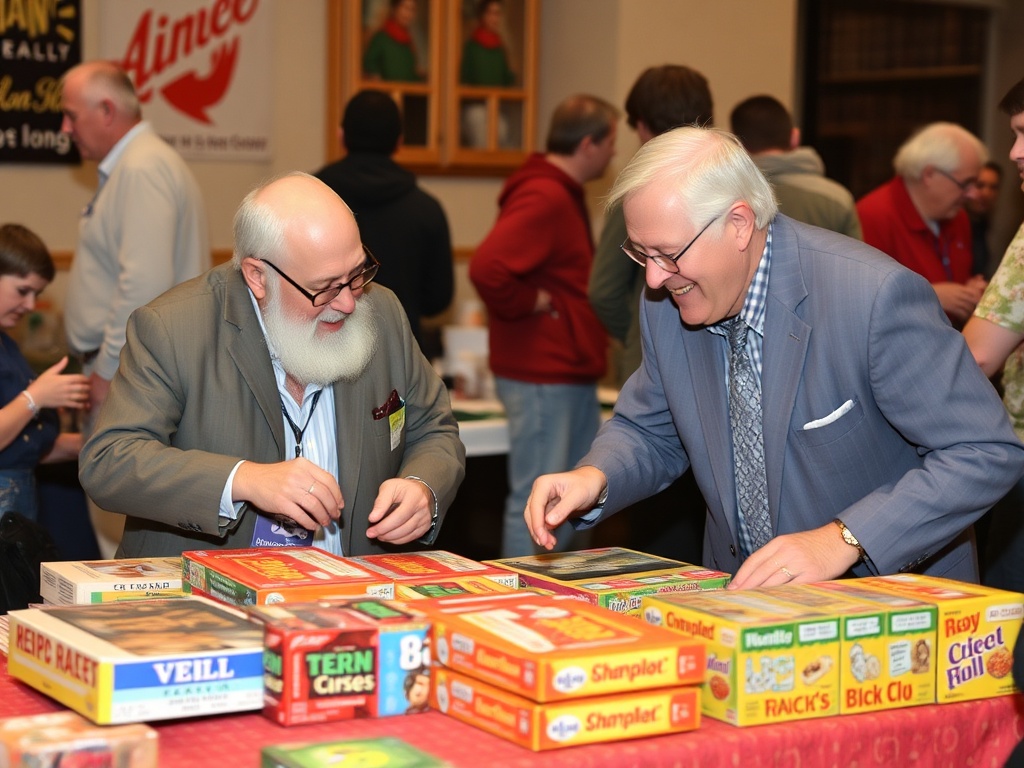
Connect with other collectors. Share finds. Trade duplicates. Over time, you’ll gain access to better material—and better prices.
This hobby rewards reputation. If people know you collect a specific niche, they’ll come to you first when something surfaces.
When to Upgrade (and When to Let Go)
Early in your collecting journey, you’ll make compromises. That’s fine. The key is knowing when to replace lower-quality pieces with better ones.
This is how strong collections evolve:
- Sell or trade duplicates
- Upgrade condition whenever possible
- Refine your focus over time
Don’t get attached to mediocre items. The goal isn’t volume—it’s quality and coherence.
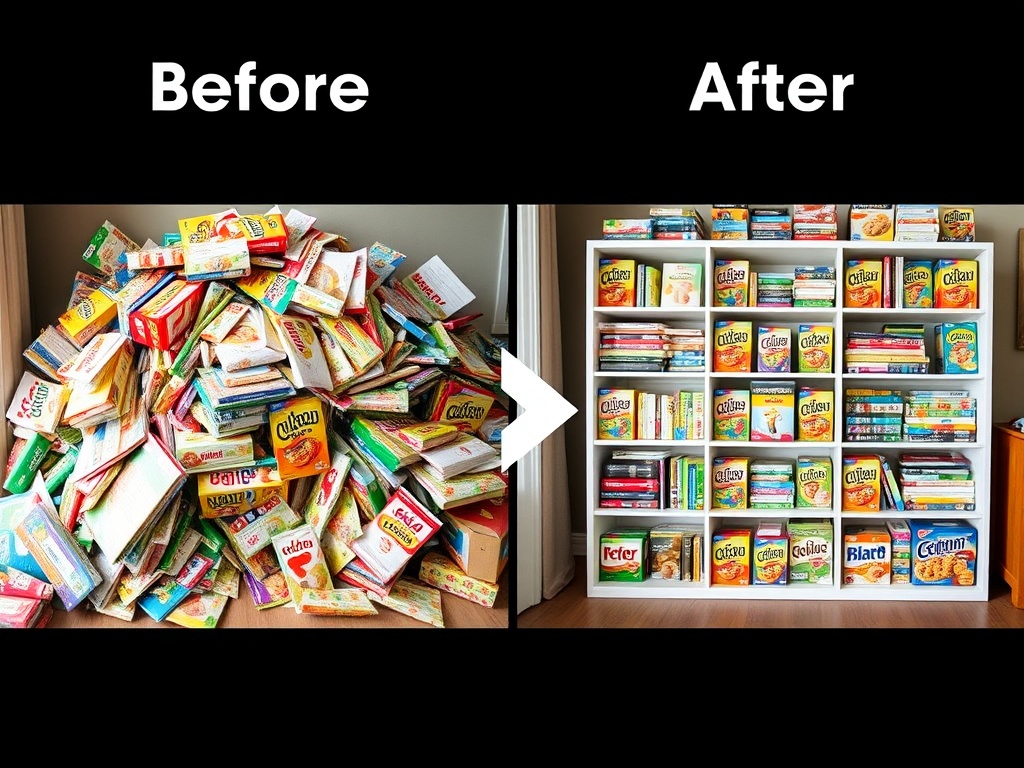
The Long Game: Why This Hobby Rewards Patience
Cereal box collecting isn’t about quick flips. It’s about building something distinctive over time.
The collectors who win are the ones who:
- Stay consistent
- Keep learning
- Avoid impulse buys
- Think in years, not weeks
If you approach it with intention, your collection becomes more than a pile of packaging—it becomes a curated archive of design, culture, and history.
And that’s when it starts to matter.