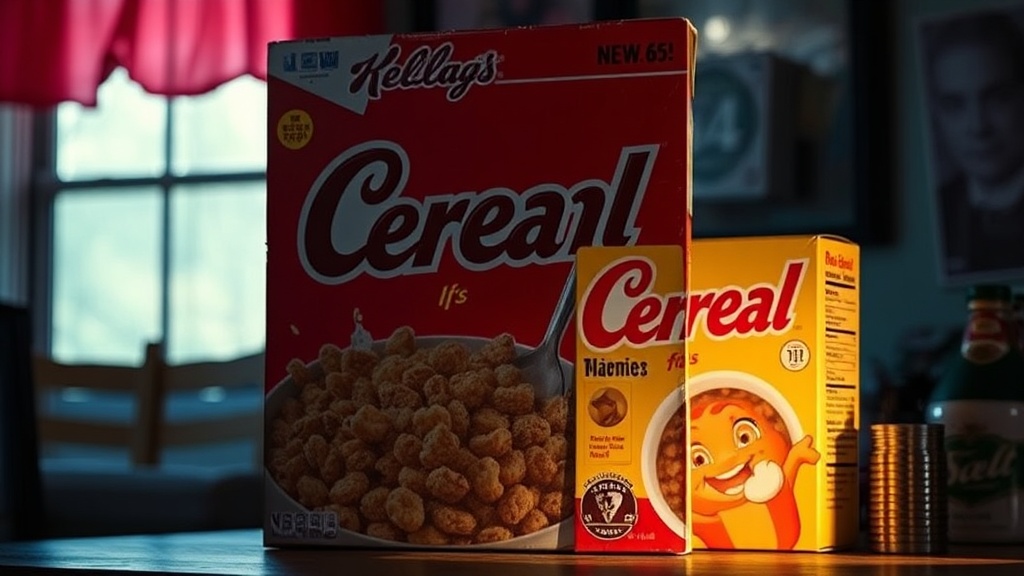
Protecting Vintage Cereal Box Integrity from Light Damage

Imagine finding a pristine 1960s cereal box in a dusty attic, only to realize that placing it under a standard desk lamp for a few weeks has permanently faded the vibrant reds and bright yellows of the mascot. Light exposure isn't just an annoyance; it's a chemical process that breaks down the organic dyes used in mid-century printing. This guide covers the specific physics of light-induced degradation and the practical steps you can take to prevent UV rays from stripping the color from your paper collectibles.
Collectors often focus on humidity or physical handling, but light is the silent thief. Unlike a broken corner or a crushed edge, light damage is often irreversible. Once the photons have broken the molecular bonds of the ink, there is no way to "fix" the color. You can only prevent it from happening in the first place.
How much UV light can a cereal box handle?
Most vintage packaging was printed using lithography or early offset processes that relied on organic pigments. These pigments are inherently unstable when exposed to ultraviolet (UV) light. Even if you aren't using direct sunlight, standard indoor lighting—especially older fluorescent tubes—emits enough UV to cause gradual fading. A box sitting in a bright room might lose its visual impact in just a few years, whereas a box kept in a dark, controlled environment stays vibrant for decades.
The severity depends on the light source. For instance, direct sunlight is extremely aggressive, capable of bleaching a box in months. Indirect sunlight through a window is less intense but still dangerous. Even high-quality LED bulbs can emit small amounts of UV if they aren't properly filtered. To understand the science behind how light interacts with paper fibers and inks, you can look into the archival standards provided by the Library of Congress, which offers deep dives into how different environments affect paper stability.
What is the best way to display paper collectibles safely?
Displaying items is a balancing act between showing them off and hiding them from harm. If you want to show your collection, you shouldn't just put them on an open bookshelf. Instead, consider these three approaches:
- Acrylic Cases: High-quality acrylic or glass cases provide a physical barrier, but they don't block UV unless they are specifically labeled as UV-resistant. Always check the manufacturer's specs.
- Shadow Boxes: These are great for keeping boxes upright and preventing physical crushing, but they still need to be kept away from direct light paths.
- Display Cabinets: A closed cabinet with a glass door is a middle ground. It provides protection from dust and physical contact while keeping the items visible.
If you're using a display case, avoid placing it near a window. Even a high-quality window with UV protection won't stop the long-term effects of light if the box is sitting in the path of the sun's movement throughout the day. You want your collection to be a centerpiece, not a victim of your interior design.
Can I use UV filters on my display cases?
Yes, and you absolutely should. If you have a dedicated display area, adding a UV filter is one of the smartest moves you can make. You can apply UV-protective films to the glass of your display cases or even use specialized acrylic sheets that have UV inhibitors built into the material. This isn't just for art galleries; it's a standard practice for any serious collector of paper ephemera.
When shopping for these products, look for materials that block at least 97% to 99% of UV rays. This level of protection can significantly extend the lifespan of the ink on your cereal boxes. It's a small investment that pays off in the long run as your collection grows and its value increases. You can find more information on light-related degradation through the International Council of Museums, which sets various standards for the preservation of light-sensitive objects.
The Relationship Between Light and Heat
It is also important to remember that light and heat often go hand-in-hand. A display case sitting in the sun doesn't just get hit with UV rays; it also experiences a rise in temperature. This heat can accelerate the aging of the cardboard itself, making it more brittle. If the cardboard becomes brittle, the slightest touch could cause a crack or a tear. Always ensure your display area has consistent ambient temperatures and isn't located near a radiator or a heating vent.
When you're setting up your display, try to use LED lighting rather than incandescent bulbs. LEDs produce very little heat and emit almost no UV radiation. This is a simple way to keep your display bright without the unintended side effects of heat and light damage. If you're using a spotlight to highlight a specific piece, make sure it's an LED bulb and that it's not positioned too close to the object.
Routine Inspection Habits
Don't just set and forget your collection. Every few months, take a closer look at your pieces. Hold them at different angles to see if the colors look even or if you notice any unevenness in the saturation. This is a good time to check for other issues like "foxing" (brown spots caused by fungal growth or metallic impurities) or structural weakness. If you notice a box is starting to look washed out, it's a sign that you need to move it to a darker or more protected area immediately.
A well-maintained collection is a testament to the collector's care. By understanding how light affects the physical properties of your vintage cereal boxes, you're not just preserving an object; you're preserving a piece of history. Keep the lights low, the UV filters high, and your collection vibrant for years to come.