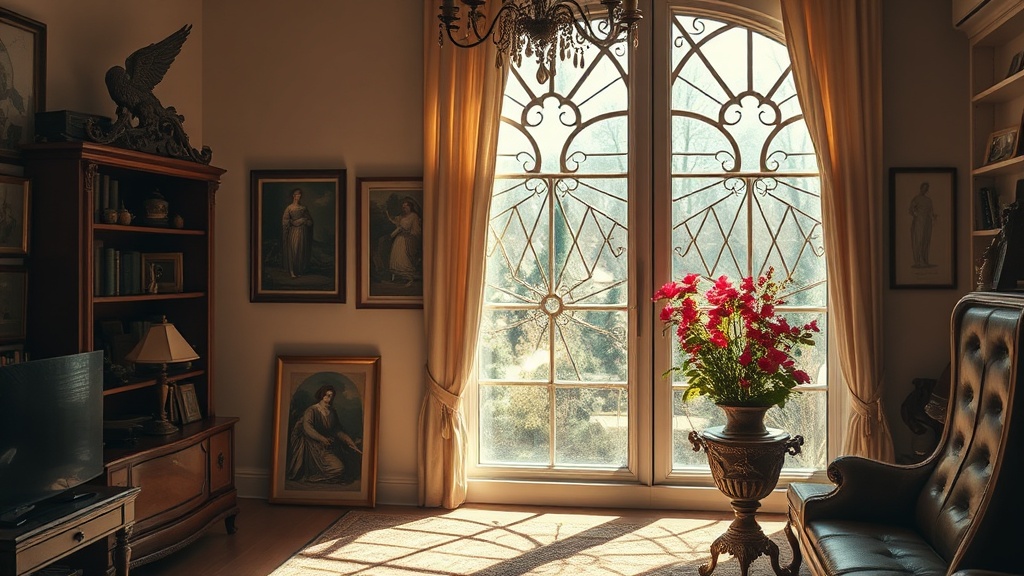
Protecting Your Collection from Sunlight Damage

This guide explains how to prevent UV light and sunlight from fading the ink and degrading the cardboard of your cereal box collection. You'll learn about the science of light damage, specific storage materials, and how to arrange your display to keep colors vibrant for years.
Why Does Sunlight Damage Paper and Cardboard?
Sunlight causes permanent chemical changes in the dyes and pigments used in printing, leading to irreversible fading and structural decay. UV radiation breaks down the molecular bonds in the cellulose fibers of the paper and the ink itself.
When you see a vintage box where the red-colored cereal mascot looks more like a dull pink, you're seeing the result of photodegradation. This isn't just a surface issue. The light penetrates the top layer of the cardboard, causing the ink to lose its intensity. It's a slow, silent process that happens even if the box isn't sitting in direct sunlight—ambient UV rays from a nearby window are enough to do the damage over time.
It's a real problem for paper-based collectibles. Unlike a metal toy or a plastic figure, a cereal box is highly porous. The ink is often sitting right on the surface of the fibers, making it incredibly vulnerable to the environment. If you've spent years hunting for that one specific 1960s box, the last thing you want is to see the graphics turn a pale, ghostly version of themselves. (I've seen this happen to my own display pieces when I moved my setup near a new window in my Brooklyn apartment.)
Beyond just color, UV light can cause "acid decay." This is where the paper becomes brittle and yellowish. This is why you might find older boxes that feel crunchy or even crumble when you touch them. The light accelerates the breakdown of the lignin in the cardboard. To prevent this, you need to control two things: light intensity and light spectrum.
How Can I Protect My Collection From UV Rays?
The most effective way to protect your collection is to use UV-filtering materials and keep your display away from direct light sources.
There are several ways to approach this, depending on whether you keep your boxes in a display case or in storage. If you're a "display-first" collector, you're fighting a constant battle against the sun. If you're a "storage-first" collector, your main enemy is the light that leaks out of closets or drawers.
Here is a breakdown of the most effective methods for different types of collectors:
- UV-Resistant Acrylic Cases: Using high-quality acrylic instead of standard glass can block a significant percentage of harmful rays.
- UV Window Film: If your collection sits in a room with windows, applying a clear UV-blocking film (like those from 3M) can act as a shield.
- Museum-Grade Display Cases: These are more expensive, but they offer the highest level of protection for high-value items.
- LED Lighting: If you use internal lights in a display, stick to LEDs. They produce very little heat and almost no UV radiation compared to old-school fluorescent tubes or incandescent bulbs.
It's worth noting that even "UV-protected" glass isn't a magic wand. Most standard glass allows a large portion of UV-A rays to pass through. If you're serious about your display, you should look for products specifically labeled as UV-protective. It's an investment in the longevity of your items.
If you are currently storing your boxes in bins, you're likely doing a good job. Most storage bins are opaque, which naturally blocks light. However, if you keep your boxes in clear plastic bins on a shelf, the light can still reach them. Make sure your storage area is dark and cool. For more tips on long-term preservation, check out my post on keeping your cardboard mint.
Comparing Display Materials
Not all display options are created equal. I've put together this table to show you how different materials behave regarding light exposure.
| Material Type | UV Protection Level | Best Use Case |
|---|---|---|
| Standard Glass | Low | Temporary displays |
| Acrylic (Plexiglass) | Medium | Standard home collections |
| UV-Filtering Acrylic | High | High-value vintage boxes |
| Opaque Storage Bins | Maximum | Long-term archiving |
How Much Light Damage Occurs Over Time?
The amount of damage depends on the light's intensity (lux) and the duration of exposure, but even a few months of direct sunlight can cause noticeable fading.
Light damage isn't linear. It's often faster in the beginning. A box might look fine for a year, and then suddenly, the colors look washed out. This is because the initial exposure breaks down the chemical bonds, making the remaining pigments even more vulnerable. If you're displaying a box with bright, high-contrast colors—like a Kellogg's or General Mills box from the 1950s—the change will be much more obvious than on a more muted, vintage box.
The "lux" level is a measurement of how much light is hitting a surface. For context, a bright sunny day can reach 100,000 lux, while a dimly lit room might be around 50 lux. If your collection is sitting in a room that gets direct afternoon sun, the damage is happening rapidly. Even if the box is inside a cabinet, if that cabinet is made of thin wood or has glass doors, the light is still getting in there.
One way to test your environment is to use a light meter app on your phone. It's not professional-grade, but it'll give you a rough idea of how bright your display area is. If you're seeing high lux numbers, you need to move the collection or add more protection. It's better to be safe than to realize too late that your prize piece has lost its luster.
If you're buying used collections, always check for "sun-bleaching." This is a common sign of poor care. Look at the sides of the box—the parts that might have been tucked away or facing a wall. If the side is much darker than the front, that box has been sitting in a light-heavy environment. This is a key part of evaluating and buying vintage cereal boxes without getting burned by a bad deal.
The goal is to keep the light "indirect." Indirect light is much safer. Think of it as the difference between a spotlight and a soft glow. A soft, indirect light won't have the energy to strip the color from your cardboard. If you use lights in your display, ensure they are positioned so they don't create "hot spots" on the box surface.
One final tip: check your light bulbs. If you have a display case with integrated lighting, make sure you aren't using old-fashioned incandescent bulbs. These emit a lot of heat and UV. Most modern LED bulbs are much safer, but you should still check the packaging to ensure they are rated for long-term use in a closed environment. Heat and light work together to destroy paper; if the light is hot, it's making the cardboard even more brittle.
Steps
- 1
Assess Your Display Location
- 2
Apply UV-Protective Glass
- 3
Use Indirect Lighting Methods