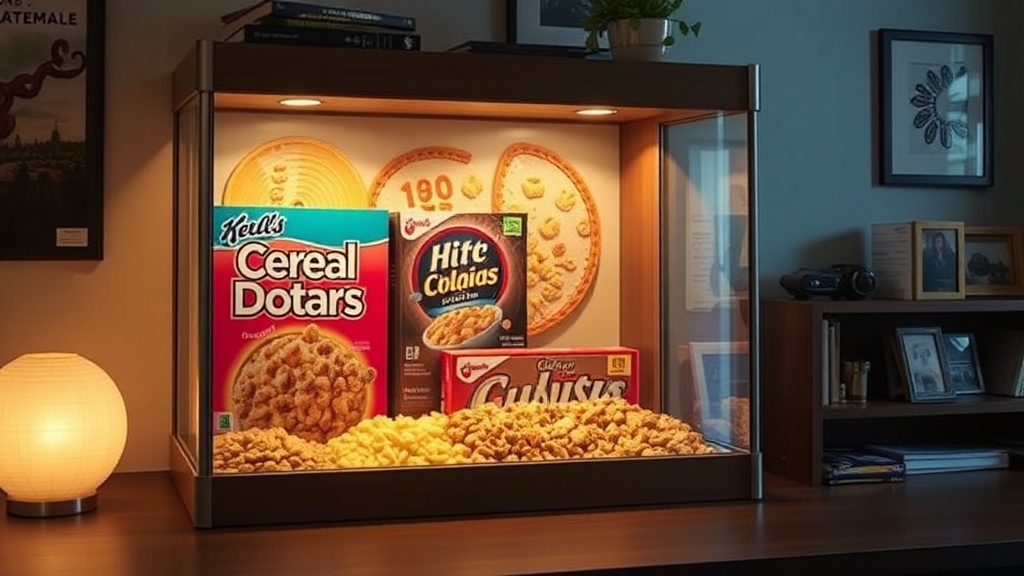
Setting Up Your Cereal Box Display Case Without Damaging the Paper

Are you worried about damaging your collection while displaying it?
You've spent years hunting down that specific 1960s cereal box or a rare promotional piece, and now you're ready to show it off. But the moment you think about putting it behind glass or in a case, you hesitate. Will the glue fail? Will the weight of the acrylic crush the cardboard? This guide covers how to select and install display systems that keep your paper and print treasures safe from physical stress and environmental degradation.
Displaying a collection isn't just about aesthetics; it's about controlled environments. Most collectors make the mistake of treating a cereal box like a piece of heavy art, forgetting that the material is essentially thin, processed paper. If you treat it too roughly, you'll end up with crushed corners or permanent creases. We'll look at the best ways to mount these items without using adhesives that'll ruin the value of your find.
What is the best way to mount a cereal box for display?
The biggest mistake I see is people using tape or glue to secure a box to a backing. Never do this. If you want to display a box upright, you should use a custom-fit acrylic stand or a specialized shadow box. A shadow box provides a physical barrier that protects the edges of the box from being bumped or touched. If you are displaying a flat-lay collection, look for archival-grade mounting corners rather than using adhesive-backed strips.
When choosing a display case, look for UV-resistant materials. Standard plastic or acrylic can actually trap heat if placed near a window, which speeds up the aging of the ink. I recommend checking the American Institute for Conservation guidelines for how light and temperature affect paper-based artifacts. A good display should allow for airflow; a completely airtight seal can sometimes trap moisture, leading to unexpected mold growth if the humidity isn't perfectly controlled.
Can I use acrylic stands for heavier boxes?
It depends on the construction. Some vintage boxes are much sturdier than others due to the weight of the cardboard stock. If you have a large, heavy cereal box, a flimsy plastic stand won't cut it. You'll want a heavy-duty acrylic "L" stand. These provide a wide base that prevents the box from tipping forward. If the box is particularly top-heavy—common with certain novelty shapes—you might need to build a small riser or use a weighted base to keep it upright.
One thing to keep in mind is the "shelf life" of the cardboard itself. As paper ages, it becomes more brittle. A stand that is too tight might actually put pressure on the sides of the box, causing it to bow or warp over time. I always suggest testing the fit with a non-valuable piece first. If the box feels like it's being squeezed, the stand is too small. You want the box to sit comfortably in the space, not fight for it.
How do I prevent yellowing while the box is on display?
Yellowing is the enemy of every paper collector. It happens because of acid in the paper and exposure to light. To prevent this, you have two options: use UV-filtering glass in your display cases or keep your display away from direct sunlight. Even if you use a high-quality case, a single ray of direct sunlight can cause localized bleaching or discoloration in a matter of months.
- Use UV-filtering acrylic: This is a lifesaver for collectors who want to display their items in a bright room.
- Avoid high-heat environments: Never place your display near a radiator or a computer vent. Heat accelerates the breakdown of the paper fibers.
- Check your lighting: LED lights are much safer than older incandescent bulbs, as they produce significantly less heat and UV radiation.
If you're looking for more technical details on how light interacts with paper-based collectibles, the Library of Congress has excellent resources on the preservation of various media, including paper. Understanding the physics of light can help you decide if your current display setup is actually helping or hurting your collection.
When you are setting up your display, think about the hierarchy of your collection. The most fragile pieces—the ones with thin-gauge paper or delicate ink—should be in the most protected cases. A standard cereal box might handle a bit more air exposure, but a rare promotional piece with a thin cardboard insert needs much more care. Always prioritize the safety of the item over the "look" of the display. A beautiful display isn't worth much if the prize inside is a pile of yellowed crumbs and crushed edges.
Finally, remember that your display is a living thing. It requires maintenance. Every few months, you should check the stability of your stands and ensure there are no signs of moisture or heat-related stress. A quick glance at the bottom of the box can tell you a lot. If you see slight warping, it might be time to move the display to a more controlled area of your home. Your collection is an investment in history, and a good display is the best way to ensure that history lasts.