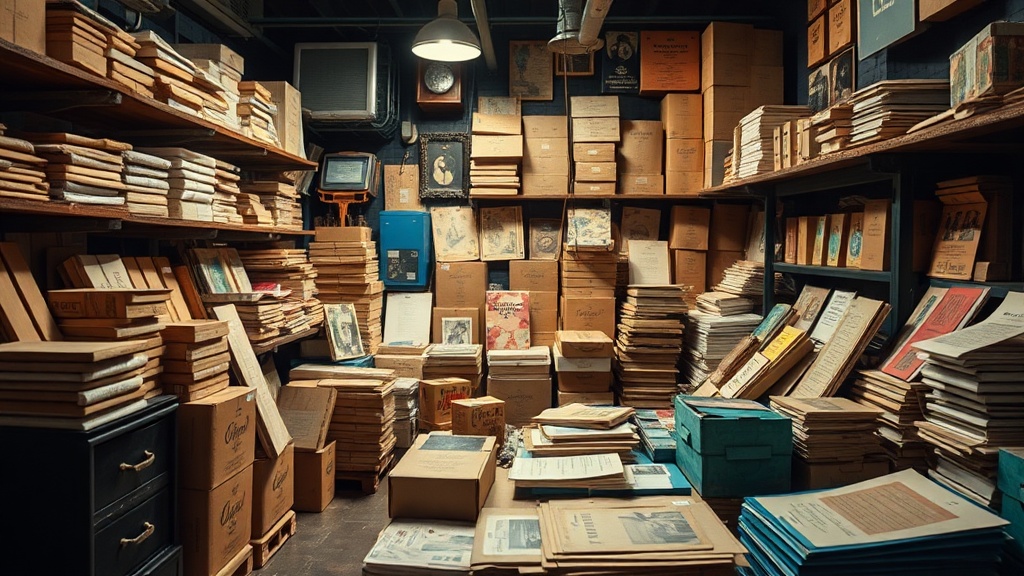
Sourcing High-Quality Vintage Paper Ephemera and Packaging

Why the quality of paper matters for collectors
Did you know that the average lifespan of high-acid newsprint is often less than fifty years before it begins to visibly yellow and crumble? For collectors of vintage cereal boxes and paper-based packaging, this chemical reality is the difference between a pristine specimen and a pile of dust. This guide covers the specific methods for identifying, sourcing, and acquiring paper-based collectibles that maintain their structural integrity. We'll look at the physical properties of different paper stocks and how to find items that haven't been compromised by time or poor storage.
When you're hunting for vintage cereal boxes or old grocery circulars, you aren't just looking for a brand; you're looking for the substrate. The quality of the paper—the weight, the grain, and the chemical makeup—dictates how well the item will hold up in your collection. A lightweight cardstock might look great today, but if it's high in lignin, it's essentially a ticking time bomb. You need to understand what you're looking for before you ever open your wallet.
A common mistake is focusing entirely on the graphic design while ignoring the material. A beautiful 1950s cereal box design means very little if the cardboard is structurally compromised by moisture or acidity. We'll examine the nuances of paper density and how it affects the longevity of the printed ink. It's about more than just the image; it's about the physical object itself.
Where can you find authentic vintage packaging?
Finding high-grade vintage items requires looking beyond the standard auction sites. While eBay is a staple, the real gems often hide in niche corners of the internet. Estate sales, specialized dealer shows, and even local antique malls can provide access to much better-preserved paper items than mass-market platforms. When you're browsing, look for descriptions that mention "archival quality" or "acid-free," though be skeptical—you often have to verify these claims yourself.
If you want to see how certain paper types age, the Library of Congress offers incredible resources on how various materials degrade over time. This isn't just for librarians; it's for anyone who wants to understand the lifecycle of their collection. Understanding the degradation process helps you spot a "good" old box from a "bad" one. A box that looks slightly weathered might actually be more stable than one that looks brand new but is actually made of highly acidic, cheap modern paper.
Specialized collectors often use forums and private groups to trade. These communities are goldmines for finding items that haven't been through the "scrubbing" of the general market. When you find a dealer who specializes in paper-based ephemera, they'll often have a much better grasp of the item's actual condition. They'll tell you if a box has a "soft" corner or if the ink has slightly bled—details that a generalist will overlook.
How do you spot low-quality reproductions?
As the value of vintage cereal boxes rises, so does the frequency of high-quality fakes. Modern digital printing can mimic the look of vintage lithography remarkably well, but the paper is the giveaway. A genuine vintage box will have a specific texture and weight that is hard to replicate with modern inkjet or laser printers. If the paper feels too smooth, or if the edges are too perfectly uniform, be suspicious.
- Check the grain: Hold the item up to a light source. Vintage paper often has a more irregular grain than modern, mass-produced paper.
- Smell the item: This sounds strange, but old paper has a distinct scent. A strong, chemical, or "new" smell is a red flag for a modern reproduction.
- Examine the ink: Under a magnifying glass, look at how the ink sits on the surface. In older printing, the ink often has a slightly different depth and interaction with the paper fibers than modern digital prints.
For more on the technical aspects of printing and paper, the MoMA provides excellent context on how different printing methods have evolved. This context is your best tool for spotting a fake. If a box claims to be from 1940 but uses a printing technique that wasn't popularized until 1970, you've found a discrepancy. Always use a jeweler's loupe or a high-powered magnifying glass when inspecting new acquisitions.
What should you look for in paper weight and texture?
The weight of the paper is a primary indicator of its era and quality. For example, heavy-duty cardboard used in mid-century cereal boxes feels significantly different from the thinner, flimsy cardstock used in modern budget versions. When you're buying, always ask for the weight if it isn't listed. A "medium-weight" stock is generally more stable than a very thin paper, which is prone to tearing and curling.
Texture is another massive giveaway. Genuine vintage items often have a tactile-rich surface—perhaps a slight tooth or a matte finish that isn't quite as flat as modern-day coated papers. If you're purchasing online, ask the seller for a high-resolution macro photo of a corner or a flat surface. This allows you to see the fiber structure and the way the light interacts with the surface. It's a small step that saves a lot of heartache.
Don't forget about the edges. The way a paper edge has aged tells a story. A clean, sharp edge on an old item is rare, but a slightly fuzzy or worn edge is often a sign of genuine age and natural wear. Modern die-cutting produces incredibly precise edges, whereas older methods might show slight irregularities. These tiny details are what separate the amateurs from the serious collectors.
The importance of environmental stability
Even if you find the perfect piece of paper ephemera, your job isn't done once the transaction is complete. The environment you keep it in determines if it remains a collectible or becomes scrap. Fluctuations in humidity are the enemy of paper. Too much moisture and you'll face mold or foxing (those brown spots that appear on old paper); too little, and the paper becomes brittle and breaks.
Temperature also plays a role. Heat accelerates the chemical breakdown of paper fibers. If you're displaying your boxes, keep them away from direct sunlight and heat-emitting electronics. A stable, cool, and dry environment is the goal. This isn't just about preservation; it's about maintaining the value of the item for the future. A well-preserved box is a much more attractive asset than one that has been neglected in a damp basement.
Think of your collection as a living thing. It's constantly reacting to its surroundings. By being proactive about the environment, you're essentially freezing time for your most prized pieces. It takes effort, but the payoff is a collection that looks as good in twenty years as it does today.