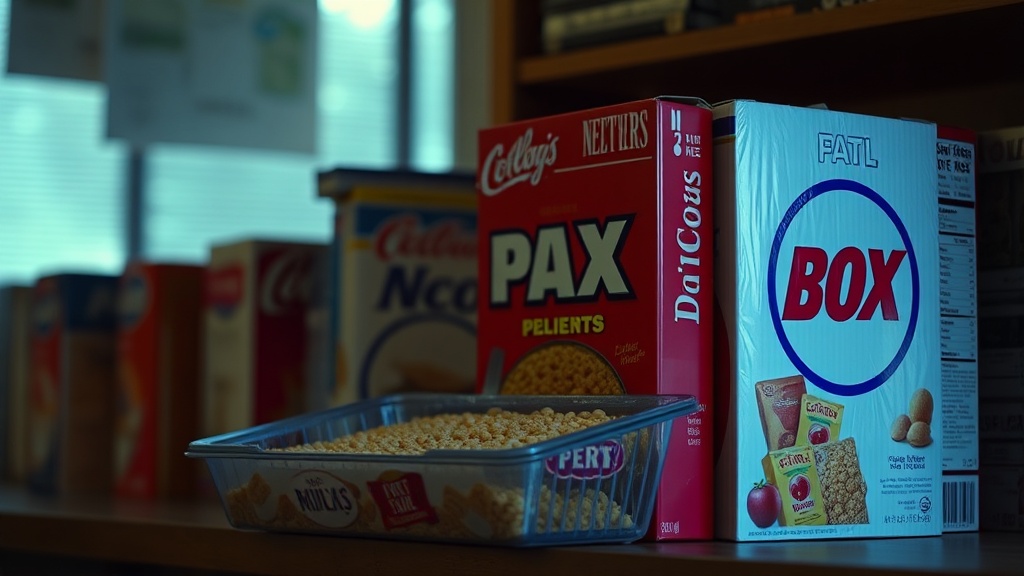
Why Pristine Condition Isn't Everything in Cereal Box Collecting

Most collectors assume that a vintage cereal box in flawless condition will always command higher prices than one showing its age. That's not the full picture. In the world of paper collectibles, originality often trumps perfection—and sometimes, the wear on a box tells a story that increases its desirability among serious collectors. This post explores why chasing pristine condition can lead you astray, when imperfections actually add value, and how to evaluate vintage packaging with a more nuanced eye.
Does restoring a vintage cereal box always increase its value?
The short answer: absolutely not. In fact, amateur restoration frequently destroys value faster than the original damage ever could. The collectibles market—particularly for paper and packaging ephemera documented by the Smithsonian—places enormous weight on provenance and authenticity. When you touch up faded colors, reinforce corners, or replace missing flaps, you're altering the artifact's history. Even well-intentioned repairs using archival materials can be detected by experienced buyers, and once discovered, the box's credibility plummets.
Professional grading services (yes, they exist for cereal boxes) will typically note restoration in their assessments—and that notation can drop a box from mint to "altered" status, sometimes reducing value by 50% or more. The market has spoken clearly: collectors want the item as it existed when it left the factory, not as someone imagined it should look decades later. This differs sharply from categories like furniture or fine art, where expert restoration is expected and often required. Paper doesn't forgive intervention the same way wood or canvas does.
What flaws are acceptable in collectible cereal boxes?
Not all damage is created equal—and smart collectors know which imperfections to overlook and which to avoid. Minor corner wear, small creases from shelf storage, and slight toning (that gentle yellowing that occurs as paper ages naturally) rarely hurt value significantly. These marks prove the box isn't a reproduction and hasn't been doctored. A 1970s Cap'n Crunch box with soft corners and honest patina often outsells a suspiciously crisp example that looks like it time-traveled from the past.
Structural integrity matters more than cosmetic perfection. A box with vibrant graphics, intact panels, and original glue lines—even with some edge wear—generally holds more appeal than a mint-condition box that's been deconstructed and reglued. Water damage, mold, and insect damage are the real value killers. But a small tear along a fold? A faded spot where sunlight hit the kitchen counter? These are battle scars that authenticate the object's path through time. The Library of Congress preservation guidelines emphasize that stabilizing condition is preferable to cosmetic enhancement—and collectors have adopted similar wisdom.
How can you tell if a cereal box has been restored?
Learning to spot restoration takes practice, but several red flags reveal amateur work. Start with the colors—vintage cereal boxes fade in predictable patterns based on their display environment. If one panel looks noticeably brighter or more saturated than adjacent panels, someone may have touched it up. Ultraviolet light helps here: modern inks and paints often fluoresce differently than period printing under blacklight examination.
Check the glue lines. Original manufacturing used specific adhesive patterns and application methods. Reglued boxes often show excess glue residue, mismatched adhesive types, or seams that don't align precisely with factory standards. The paper texture matters too—sanding, chemical treatments, or aggressive cleaning alters the surface feel. Run your fingers lightly along suspect areas; restoration often leaves surfaces unnaturally smooth or slightly glossy compared to untouched vintage stock.
Don't forget the interior. Many restorers focus obsessively on exterior graphics while neglecting the inside of the box. Original boxes show consistent aging throughout—if the outside looks forty years old but the inside appears factory-fresh, you've found evidence of intervention. Smell can also be telling. Vintage paper and ink have a distinctive musty-yet-innocuous scent. Chemical treatments, adhesives, and cleaning agents leave their own signatures. If a box smells like a craft store rather than an attic, proceed with caution.
Price pressure often drives poor restoration decisions. A collector acquires a rare 1960s cereal box with torn flaps, panics about resale value, and attempts "minor" repairs that destroy the item's authenticity. The irony? That damaged original—properly documented and honestly presented—would have found eager buyers. The "restored" version sits unsold, its compromised status disclosed (or worse, discovered) during inspection. Australian archival standards recommend minimal intervention for exactly this reason—once altered, an artifact loses irreplaceable research and historical value.
The most successful cereal box collectors I've encountered share a common trait: they collect stories, not just objects. A box with provenance—documented ownership history, original purchase receipts, or family photographs showing it in situ—carries weight that no amount of cosmetic restoration can replicate. That box with the slight water stain from a flooded basement in 1987? If you can trace that history, the damage becomes narrative rather than defect. Collectors pay premiums for authenticity and context.
This isn't an argument for neglect. Proper storage—acid-free materials, stable humidity, UV protection—preserves condition without compromising authenticity. The distinction matters: preservation prevents further deterioration; restoration attempts to reverse time. One respects the object's history; the other tries to erase it. When you're evaluating your next acquisition (or considering "improving" something in your current collection), ask yourself whether you're honoring the artifact or imposing your aesthetic preferences on a piece of commercial history.
Building a collection that values authenticity over perfection
Start documenting everything. Photograph flaws honestly before purchase. Keep records of where you acquired each piece and what you know about its history. When selling, disclose condition issues upfront—transparency builds reputation in this community. Consider joining collector forums where members share authentication tips and ethical restoration practices. The knowledge you gain will save you far more than any "perfect" box could ever earn.
Remember that cereal box collecting occupies a unique space between pure nostalgia and serious material culture study. These objects were mass-produced, designed to be disposable, and survived through luck and circumstance rather than careful stewardship. Their imperfections aren't failures—they're evidence of survival against odds. Collect accordingly.