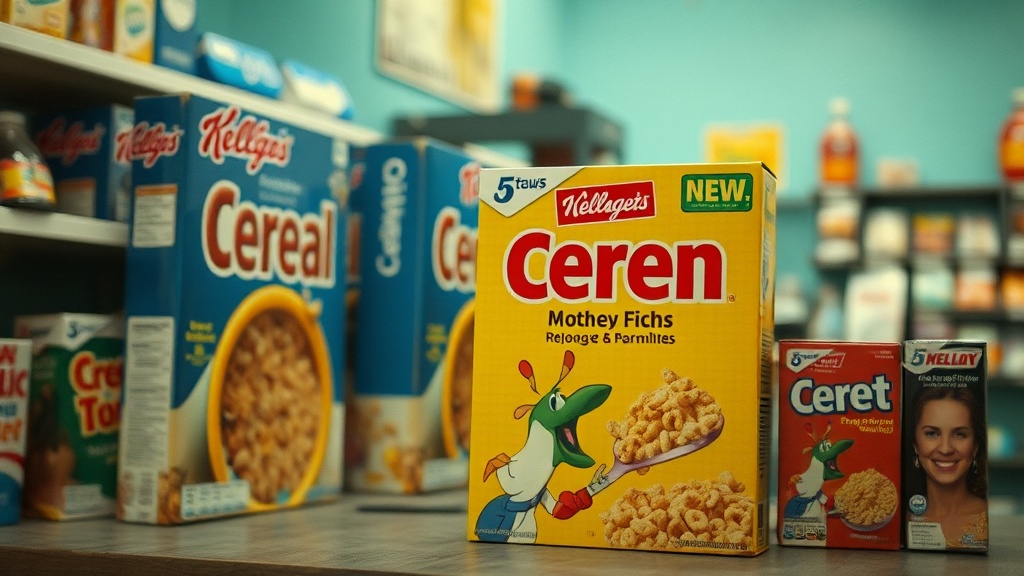
Finding Rare Cereal Boxes at Local Thrift Stores and Garage Sales

A dusty cardboard corner in a dimly lit garage, a stack of weathered Kellogg’s boxes, and a slightly bent corner of a 1970s Cap'n Crunch box—this is where the real hunt happens. Finding rare cereal boxes at thrift stores and garage sales requires a specific set of eyes and a much higher level of patience than browsing an online auction. This post breaks down the tactical approach to hunting paper-based cereal memorabilia in the wild, focusing on what to look for, how to spot quality, and how to price your finds on the fly.
What Should You Look for in a Thrift Store Bin?
You are looking for structural integrity, minimal sun bleaching, and original print clarity. Most people see a box as trash, but a collector sees a piece of history that might have survived a basement flood or a decade in an attic. When you're scanning a thrift store shelf, don' actually just look for the brand; look for the condition of the cardboard edges.
The most valuable finds aren't always the most expensive ones. Sometimes, a mid-tier brand like Kellogg's or General Mills with a specific, short-lived promotional tie-in is the real prize. Look for boxes that haven't been crushed by heavier items. A flattened box is a lost cause for serious collectors. If the top flap is torn or the bottom is missing, the value drops significantly.
Check the "gloss" of the print. If the colors look faded, it's likely been sitting near a window. Sunlight is the enemy of paper-based collectibles. If you find a box that looks "flat" or matte where it should be shiny, it has likely suffered UV damage. This is a major red flag for long-term value.
Keep an eye out for these three specific indicators of quality:
- Corner Sharpness: Are the corners crisp or rounded and soft?
- Color Vibrancy: Does the red of a Lucky Charms box look bright or washed out?
- Structural Rigidity: Does the box hold its shape when you pick it up, or does it feel mushy?
How Do You Identify a Rare Cereal Box at a Garage Sale?
You identify rare boxes by looking for discontinued graphics, limited-edition promotions, and unique manufacturer variations. Most garage sale items are "common," meaning they are standard, widely available pieces. To find the gems, you have to look past the standard cereal-of-the-week and search for the oddities—the weird promotional tie-ins or the vintage versions of brands like Post cereals that haven't been seen in decades.
Garage sales are high-speed environments. You don't have an hour to research every box. You need a mental "cheat sheet" of what constitutes a rarity. Often, rarity comes from a specific era. A 1960s cereal box will look vastly different from a 1990s box in terms of typography and paper stock. The paper used in the mid-20th century had a different weight and texture than modern, thinner cardboard.
Don't overlook the "junk" piles. Sometimes, the best stuff is sitting in a cardboard box labeled "Kitchen Items" or "Old Groceries." This is where the unorganized, un-cataloged treasures live. If a seller has a pile of old cookbooks or kitchenware, there's a high chance a vintage cereal box is tucked inside a stack of old newspapers or magazines.
If you find something that looks interesting, don't immediately ask, "Is this rare?" That's a mistake. Instead, ask about the history of the items. "Did you collect anything from this house?" or "How long has this box been in storage?" This gives you a clue about the storage conditions. If it was in a climate-controlled attic, it's a win. If it was in a damp garage, proceed with caution.
| Feature | Common Find | Rare/Valuable Find |
|---|---|---|
| Condition | Crushed, faded, or torn | Crisp edges, vibrant colors |
| Brand Type | Standard modern brands | Vintage or discontinued tie-ins |
| Paper Quality | Thin, modern cardboard | Thicker, vintage-weight paper |
| Price Point | $1 - $5 (Low) | $20 - $100+ (High) |
How Much Should You Pay for a Thrifted Box?
You should pay based on a combination of the box's condition and its historical rarity, typically aiming for a price that allows for a decent profit margin if you plan to resell. Most thrift stores have a flat pricing model, but garage sales are pure negotiation. If you see a vintage box that looks like it's in great shape, don't be afraid to offer a few dollars less than the asking price, especially if there's visible wear.
The goal isn't just to buy everything that looks old. It's to buy the pieces that are actually worth the shelf space. A box that's been sitting in a garage for 30 years might look "vintage," but if the cardboard is soft and the colors are gone, it's essentially a piece of scrap. You're paying for the preservation of the print. If the print is gone, the value is gone.
Before you pull out your wallet, consider your end goal. Are you a collector or a flipper? If you're a collector, buy the piece that makes you happy, even if it's a bit overpriced. If you're a flipper, you need to be much more ruthless. You'll want to look into keeping your cardboard mint immediately after purchase to ensure you don't lose value through improper storage. A box that looks good in a garage might degrade quickly if you don't handle it right.
Here's the thing: most people at garage sales are looking to get rid of stuff, not to make a profit on collectibles. This is your advantage. They might see a 1980s cereal box as just an old piece of trash. If you can spot the difference between a standard box and a collectible edition, you can snag high-value items for pennies. But remember, once you buy it, the responsibility is yours. If you don't know how to handle the paper, you'll ruin the very thing you're trying to save.
Once you've secured your finds, the real work begins. You'll need to clean them, perhaps slightly stabilize them, and find a place for them in your collection. If you've found a truly spectacular piece, you'll want to ensure it's displayed properly. I've written extensively about arranging your cereal box gallery to make sure these finds actually look as good as they did in the thrift store bin.
Don't forget to check the inside of the box if it's still sealed (though this is rare). Occasionally, people sell old cereal boxes that still contain the original "prize" or even the cereal itself. While this is a different niche, it can add a massive layer of value to a specific find. Just be aware that old food can be a mess and a health hazard—handle with extreme caution.
Keep your eyes peeled. The next great find is likely sitting in a cardboard box in a neighbor's driveway, waiting to be noticed.
Steps
- 1
Scan for Brand Logos
- 2
Check for Box Integrity
- 3
Verify Era and Rarity
- 4
Negotiate the Price