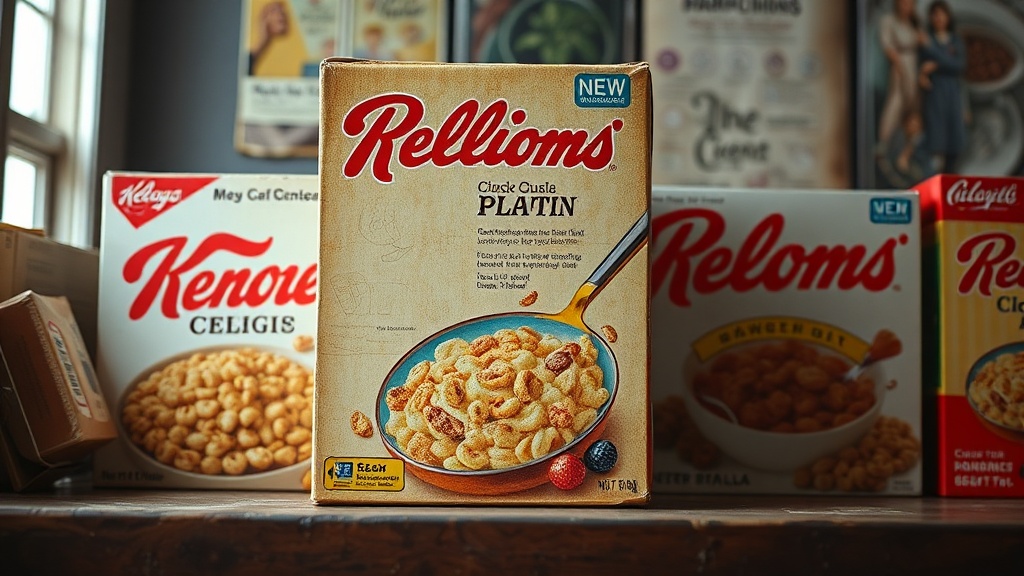
Restoring Faded Colors on Vintage Cereal Boxes

A sunlight-drenched shelf in a Brooklyn apartment holds a 1960s Cap'n Crunch box, but the vibrant reds and yellows have surrendered to a pale, chalky wash. UV rays have eaten away at the pigment, leaving the cardboard looking tired and lifeless. This post explores the technical reality of color restoration for paper-based collectibles, focusing on what can actually be done to revitalize faded ink without destroying the structural integrity of the box. We'll look at the science of pigment degradation and the specific methods collectors use to manage visual aging.
The reality of paper collecting is that light is the enemy. Photodegradation—the chemical breakdown of molecules caused by light exposure—is a permanent process. Once the ink has faded, you aren't just dealing with a surface issue; you're dealing with a fundamental change in the material.
Can You Actually Restore Faded Ink on Paper?
You cannot truly "restore" original faded ink to its former chemical state, but you can use specific color-enhancement techniques to improve visual appearance. Most collectors focus on "rejuvenation" rather than true restoration. This means we aren't trying to rewrite history—we're trying to make the box look its best under controlled lighting.
The hard truth? Most professional conservators won't touch a cereal box because it's a commercial product, not a museum-grade manuscript. However, for the enthusiast, there are ways to manage the aesthetic decline.
There are two main paths: physical cleaning and pigment-based enhancement. If the fading is caused by surface dust or "bloom" (a white powdery film that sometimes appears on old inks), a light cleaning might help. If the color is actually gone due to UV damage, you're looking at more complex options.
If you're worried about the structural stability of your paper, it's worth checking out the principles of paper conservation to understand how moisture and light interact with cellulose fibers.
The Difference Between Surface Grime and UV Fading
Before you grab any tools, you have to identify the problem. Is the box actually faded, or is it just covered in a layer of oxidized residue?
- Surface Grime: This is a physical layer of dust, oils, or kitchen grease. It can often be lifted with careful, dry cleaning.
- UV Fading: This is a chemical change. The colors look "washed out" or much lighter than they should be. This is permanent.
- Ink Bloom: This looks like a white haze on the surface. It's often a sign of moisture or chemical shifts in the ink itself.
If you mistake a layer of dust for permanent fading, you might end up over-cleaning and damaging the box. Be gentle.
What Are the Best Methods for Color Rejuvenation?
There is no single "magic" way to bring color back, but several techniques are used by high-end collectors to manage the look of their items. Most of these are about surface-level optimization rather than deep chemical change.
The most common method involves using specialized light to trick the eye. A high-quality display case with UV-filtered LED lighting can make a faded box look much more vibrant than it does under standard fluorescent bulbs. This isn't "fixing" the box, but it's an effective way to present it.
If you are determined to use physical methods, here is a breakdown of common approaches:
| Method | Risk Level | Effectiveness | Best For |
|---|---|---|---|
| Dry Brushing | Low | Low | Removing surface dust/debris |
| Microfiber Wiping | Medium | Medium | Removing oily residue/smudges |
| UV-Filtered Lighting | Very Low | High (Perceptual) | Displaying faded items safely |
| Color-Tinted Acrylics | Extreme | High (Visual) | Restoring a "look" (Not recommended for purists) |
I'll be honest: if you start painting on your cereal boxes, you've moved from "collecting" to "altering." In the world of high-end collecting, an altered box is often worth significantly less than a faded, original one. If you're looking to preserve the value of your pieces, I highly recommend reading my guide on using acid-free sleeves for cereal box protection instead of trying to "fix" them after the damage is done.
The goal should always be preservation. Once you start applying substances to the cardboard, you've crossed a line.
A Warning on Liquid Cleaners
Never, ever use water or liquid cleaners on vintage cereal boxes. The cardboard is incredibly thirsty. A single drop of water can cause the fibers to swell, leading to warping, or worse, it can cause the ink to bleed and run.
Even "dry" chemicals can be dangerous. Many people think a little bit of rubbing alcohol will clean up a stain, but that's a recipe for disaster. The alcohol will strip the remaining pigment and leave a permanent white spot.
How Do You Prevent Further Fading?
The best way to "restore" color is to stop the loss before it happens. Prevention is the only way to ensure your collection stays vibrant for the next thirty years.
The most effective way to prevent fading is to control your environment. This means two things: light and humidity.
- Eliminate Direct Sunlight: Never display your boxes in a window or a room with high natural light. Even "indirect" sunlight carries enough UV energy to bleach a box in a matter of months.
- Use UV-Filtered Cases: If you display your boxes, use acrylic cases that specifically mention UV protection. This acts as a shield against the light that does get into the room.
- Monitor Temperature: Rapid shifts in temperature cause the cardboard to expand and contract, which can crack the ink surface. Keep your collection in a stable, climate-controlled area.
- Dark Storage: For your most valuable pieces, don't display them at all. Store them in a dark, cool-dry place. Darkness is the only true way to stop the clock.
If you've already invested in a high-quality collection, you've probably already looked into proper storage methods. If you haven't, start there. It's much easier to prevent a fade than to try and fight one.
It's a bit of a paradox, isn't it? To enjoy the collection, you want to see it. But to keep it looking good, you want to hide it. This is the constant tension of the paper collector.
Most of the "restoration" you see in online forums is actually just clever lighting or digital manipulation in photos. When you're looking at a real, physical box in your hands, the reality is much more stubborn. You can clean the dust, and you can change the lighting, but you can't turn back the clock on the chemistry of the ink.
Focus on the history. A faded box tells a story of its age and its life. A perfectly vibrant, "restored" box often loses that sense of authenticity that makes the hobby so much fun in the first place.
Steps
- 1
Assess the Surface Texture
- 2
Clean Dust and Debris
- 3
Apply Gentle Light-Reflective Treatments
- 4
Prevent Future Fading with UV Protection